The transmission changes up early when you're easing through traffic, then holds a lower gear as you press harder on a hill. You haven't moved the selector, but the car has changed its plan. It is responding to how much work you're asking the engine to do.
In a modern automatic, electronic controls use several readings to choose a gear and manage the shift. Older hydraulically controlled transmissions reach that decision differently. Knowing the distinction explains why a shifting complaint sometimes begins with a sensor or engine check instead of immediate transmission replacement.
Vehicle Speed and Engine Load Shape the Shift Decision
At light throttle, an automatic usually shifts into higher gears sooner because less engine force is needed. Pressing the accelerator farther asks for more torque at the wheels, so the controls may hold a gear longer or command a downshift. Road speed and engine operating conditions help decide which ratio fits that request.
The accelerator isn't the only clue. Electronic controls use information about engine load or requested torque and the speed of rotating parts. A faulty reading can change the shift decision, while a healthy transmission may simply respond to an engine that isn't producing the expected power.
Input and Output Speed Readings Check the Gear Ratio
Speed sensors help the control unit compare what is entering the transmission with what is leaving it. That comparison shows whether the selected ratio is being achieved. The exact sensor arrangement depends on the transmission, but these readings are key to spotting unexpected slip or an implausible ratio.
A speed-sensor fault may therefore affect shifting or trigger a reduced-function mode. It still needs the wiring and signal checked. A code describing an incorrect ratio points to a different investigation than a wire that intermittently loses a speed signal. Both may feel like the car won't choose the right gear.
Transmission Temperature Changes the Shift Strategy
Cold fluid behaves differently from fluid at operating temperature. Some vehicles use a warm-up strategy that changes gear selection or torque-converter operation. Overheating brings another set of protective responses. That is why the first shift after an overnight stop sometimes differs from the same shift later in the day.
Normal strategy shouldn't be used to excuse severe slipping, violent engagement, or an overheating warning. The technician compares the complaint with temperature readings and the manufacturer's expected behavior. If a transmission starts shifting badly only after towing, include that load history in the inspection.
Solenoids and Hydraulic Pressure Carry Out the Shift
Once the control unit chooses a gear, valves and solenoids direct hydraulic pressure to the clutches or brakes that create the ratio in a conventional automatic; shift timing and pressure have to work together so one holding element releases as another applies.
A correct electronic command doesn't guarantee the mechanical shift occurred. Low fluid, hydraulic leakage, sticking valves, worn friction material, or a damaged solenoid changes the result. Testing needs to compare the requested gear with actual behavior, then follow the fault into the electrical, hydraulic, or mechanical area involved.
Drive Modes and Learned Adjustments Affect Gear Changes
Sport, towing, and other available modes modify the way some transmissions respond. Holding a lower gear longer may be normal in one mode while unusual in another. Adaptive controls also adjust shift operation as conditions and wear change.
A reset isn't a general cure for harsh shifts. Some repairs require a specific learning procedure, while others need a fault corrected before relearning makes sense. Clearing adaptations without checking the original complaint may remove information and leave the same mechanical problem underneath.
Older Automatics Use Mechanical and Hydraulic Signals
Before electronic shift control became widespread, many automatics used a governor, throttle-related pressure, vacuum modulation, or combinations of those inputs. Hydraulic valves then selected shifts according to speed and load. A misadjusted cable or faulty vacuum signal created complaints that resemble an electronic-control problem today.
The vehicle's year and transmission identification therefore change where testing starts. A familiar symptom isn't enough to choose a modern sensor repair for an older hydraulic unit, or a cable adjustment for a transmission controlled electronically.
Details That Help Explain a Shifting Complaint
Before a service visit, note:
- Which shift feels wrong
- Whether the transmission is cold or fully warm
- The accelerator position and load at the time
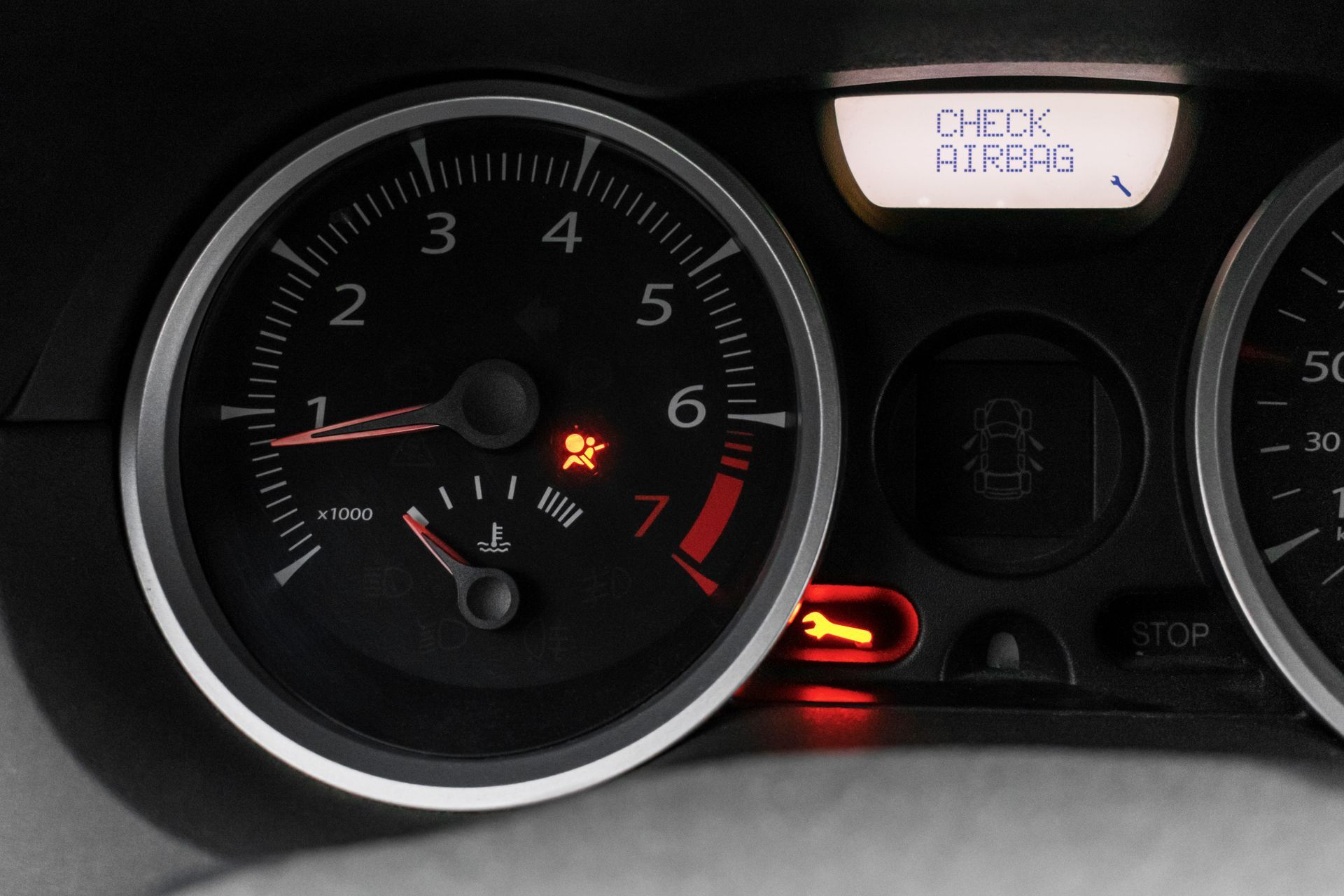
- Any warning or reduced-power message
- Recent fluid service, battery work, or repairs
Avoid repeated acceleration tests if the transmission slips or engagement becomes unreliable. Seek help when the vehicle can't move predictably or shows an overheating warning.
Get Transmission Testing in Capitol Hgts, MD, With Freestate Auto & Truck Service
Freestate Auto & Truck Service in Capitol Hgts, MD, can review delayed, harsh, or missing gear changes and explain the readings behind the repair recommendation.
Call us to schedule automatic transmission testing or service.