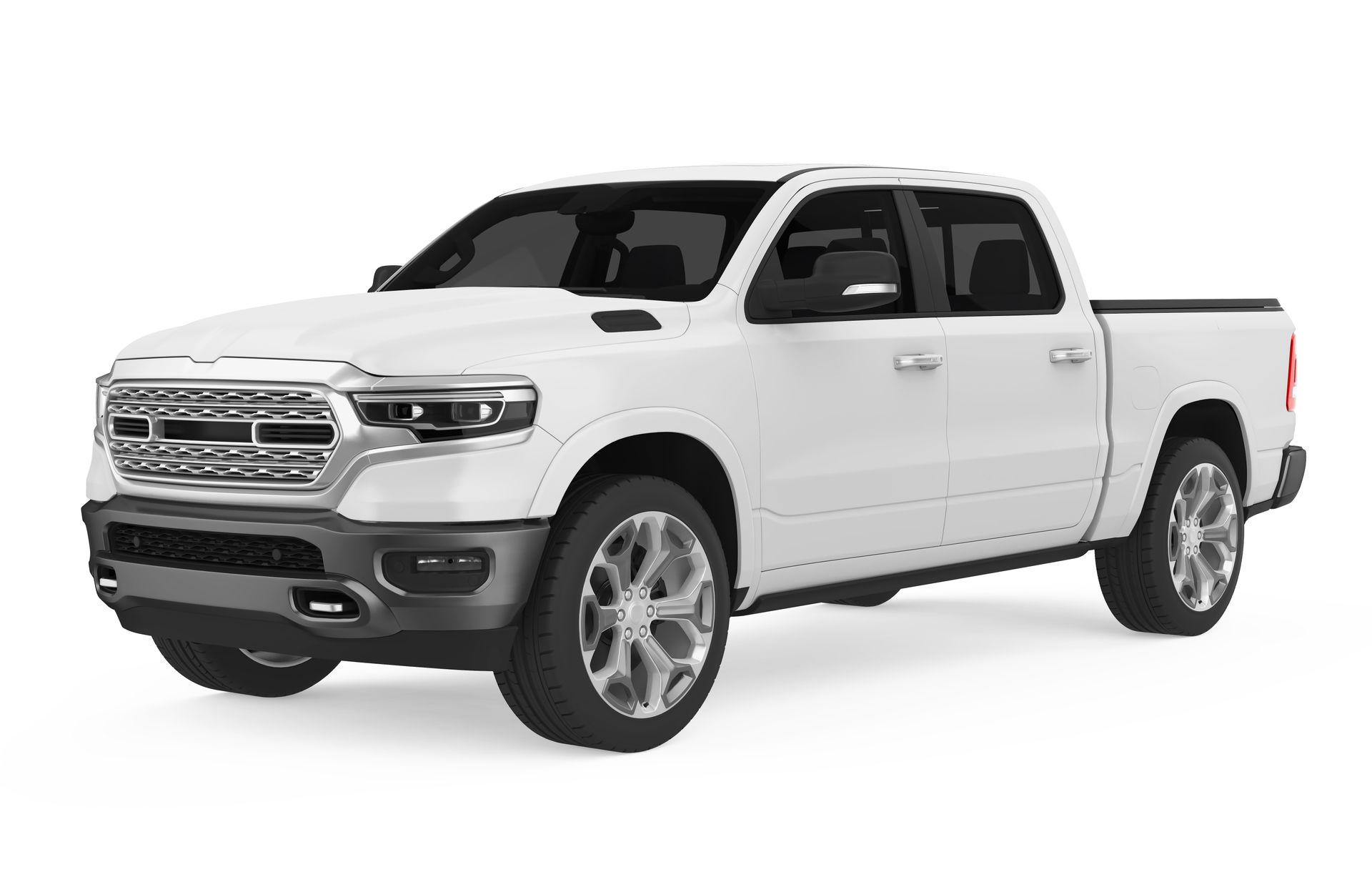
Pickup trucks are easy to trust because they feel built for hard work. They tow trailers, carry tools, handle weekend projects, sit in traffic, and still show up the next morning as if nothing happened.
That toughness can hide wear.
A truck can keep driving while fluids age, brakes run hot, suspension parts loosen, and tires wear unevenly. Regular maintenance helps catch those changes before the truck starts feeling weak, noisy, or expensive to keep on the road.
1. Towing And Hauling Add Extra Stress
Pickup trucks often do jobs that lighter vehicles do not. Towing a trailer, carrying heavy cargo, hauling equipment, or driving with a loaded bed all put more strain on the engine, transmission, brakes, tires, suspension, and cooling system.
The truck may handle the work well, but that does not mean the parts are not working harder. Transmission fluid gets hotter. Brake pads and rotors deal with more weight. Tires build more heat. Suspension parts carry more load over rough roads and uneven pavement.
A maintenance schedule should match how the truck is used. A pickup that tows regularly needs closer attention than one that mostly drives empty around town.
2. Truck Tires Wear Differently
Pickup tires deal with weight, torque, road impacts, and load changes. A truck used for work may wear tires differently from one used mostly for commuting. If the bed is often loaded or the truck tows, tire pressure and rotation become even more important.
Low pressure can wear the shoulders and build heat. Poor alignment can wear one edge. Worn shocks, ball joints, tie rods, or bushings can create cupping, feathering, or uneven tread.
Tires should be checked across the full tread, not just from the outside. The inner edge can wear badly while the visible outer edge still looks acceptable. Catching that during an inspection can save the next set of tires from the same problem.
3. Brakes Work Harder On A Truck
A pickup truck needs strong brakes because it often carries more weight than a standard car. Add a trailer, tools, landscaping materials, or a full cabin of passengers, and the brake system has even more work to do.
Brake pads, rotors, calipers, hoses, hardware, and brake fluid all affect stopping feel. If the truck starts squealing, grinding, shaking, pulling, or smelling hot after driving, the brakes need attention.
Brake fluid is easy to forget, but it ages, too. Old fluid can absorb moisture, affecting pedal feel when the brakes get hot. Brake maintenance should be done before the truck reaches the point where stopping feels less confident.
4. Fluids Protect Expensive Parts
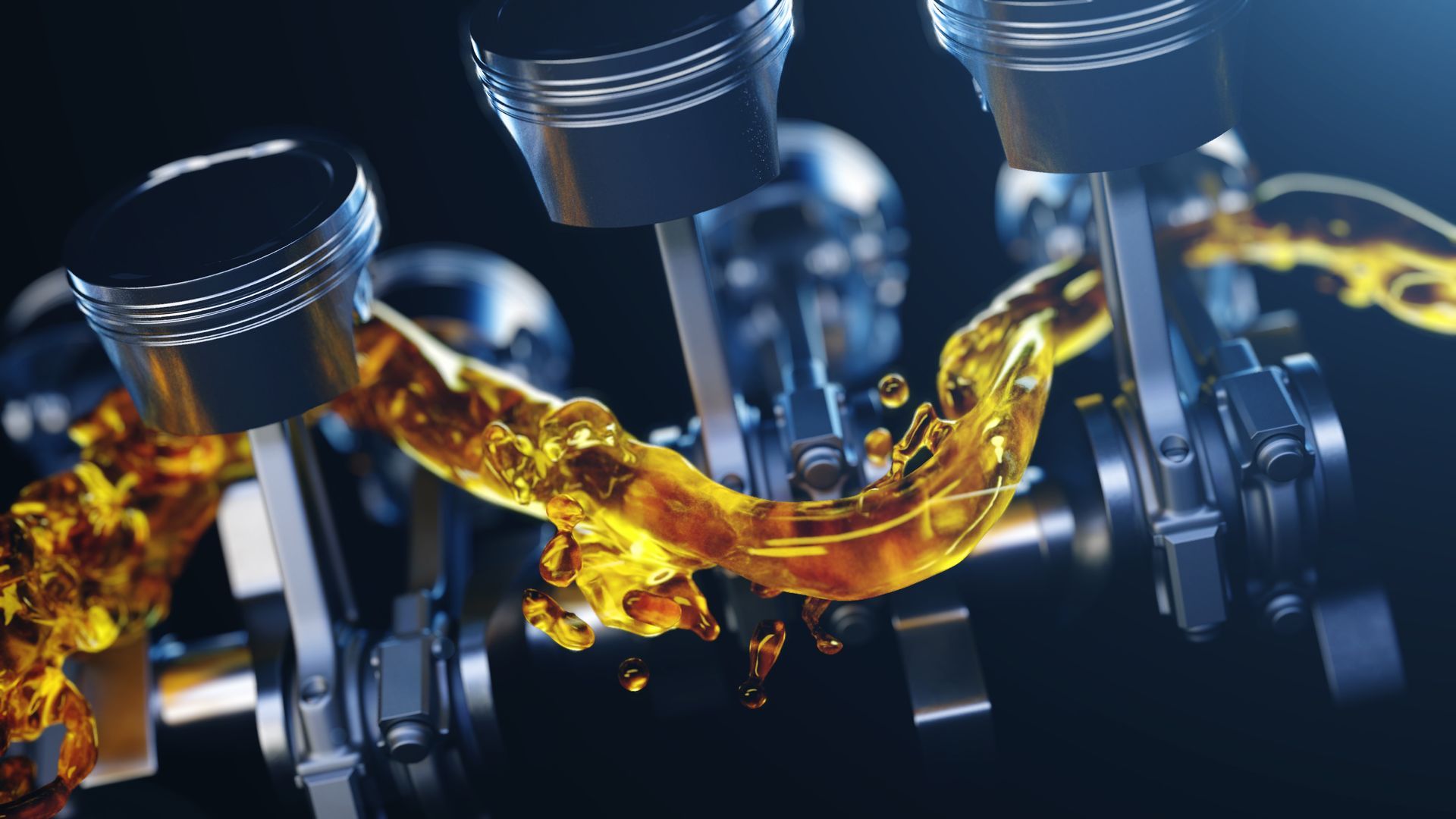
Trucks depend on fluids to keep major systems alive. Engine oil protects internal parts. Coolant controls heat. Transmission fluid helps with shifting and heat control. Differential and transfer case fluids on equipped trucks protect gears that handle torque every time the truck moves.
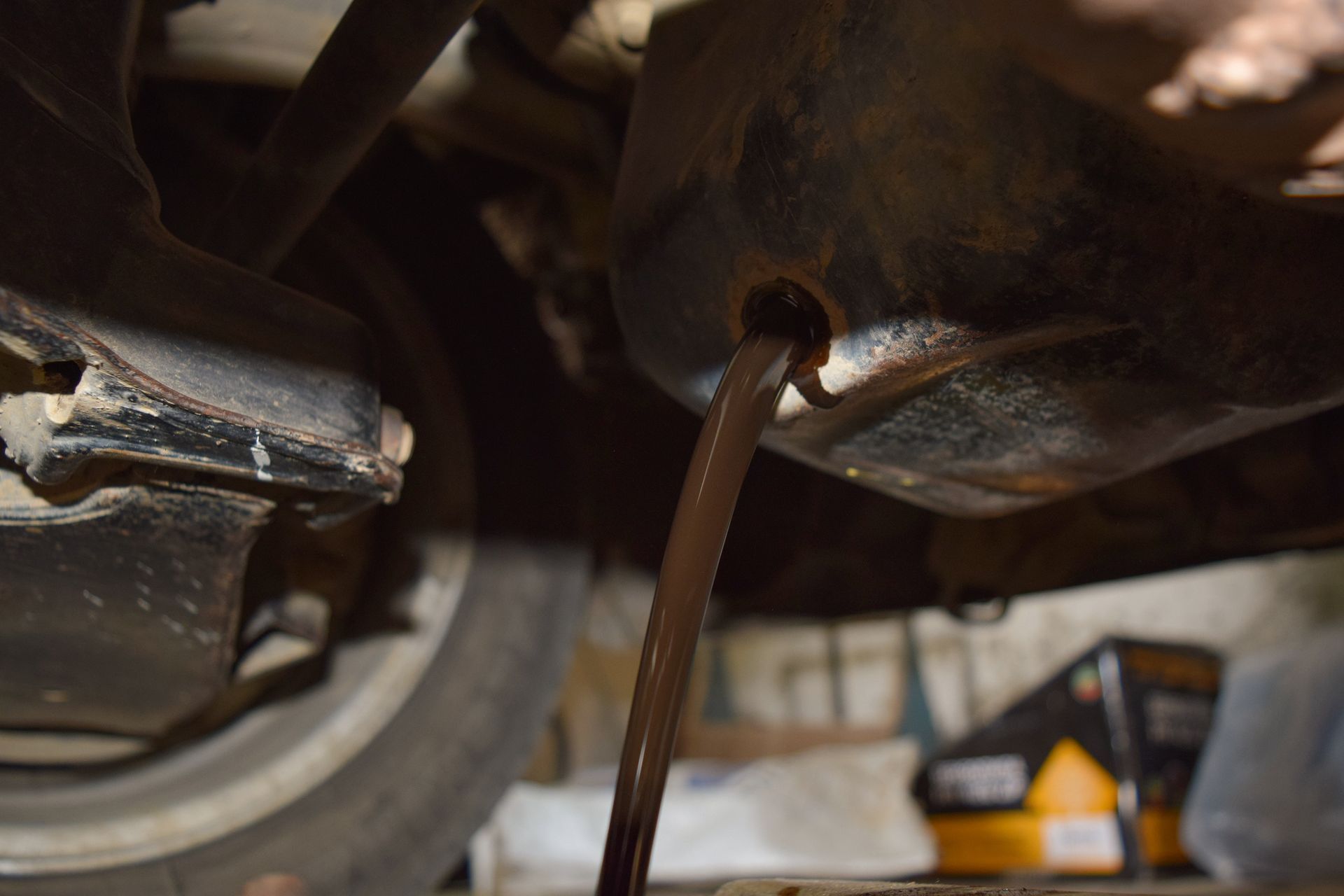
These fluids can break down faster when the truck tows, hauls, idles often, or drives in heavy traffic. Low fluid is another warning sign. Oil, coolant, transmission fluid, gear oil, and brake fluid are not supposed to disappear without a reason.
A small leak may not hit the driveway right away. Fluid can collect on shields, spread along the frame, or burn off on hot parts. Regular maintenance gives the shop a chance to spot leaks before levels drop too far.
5. Suspension And Steering Parts Take A Beating
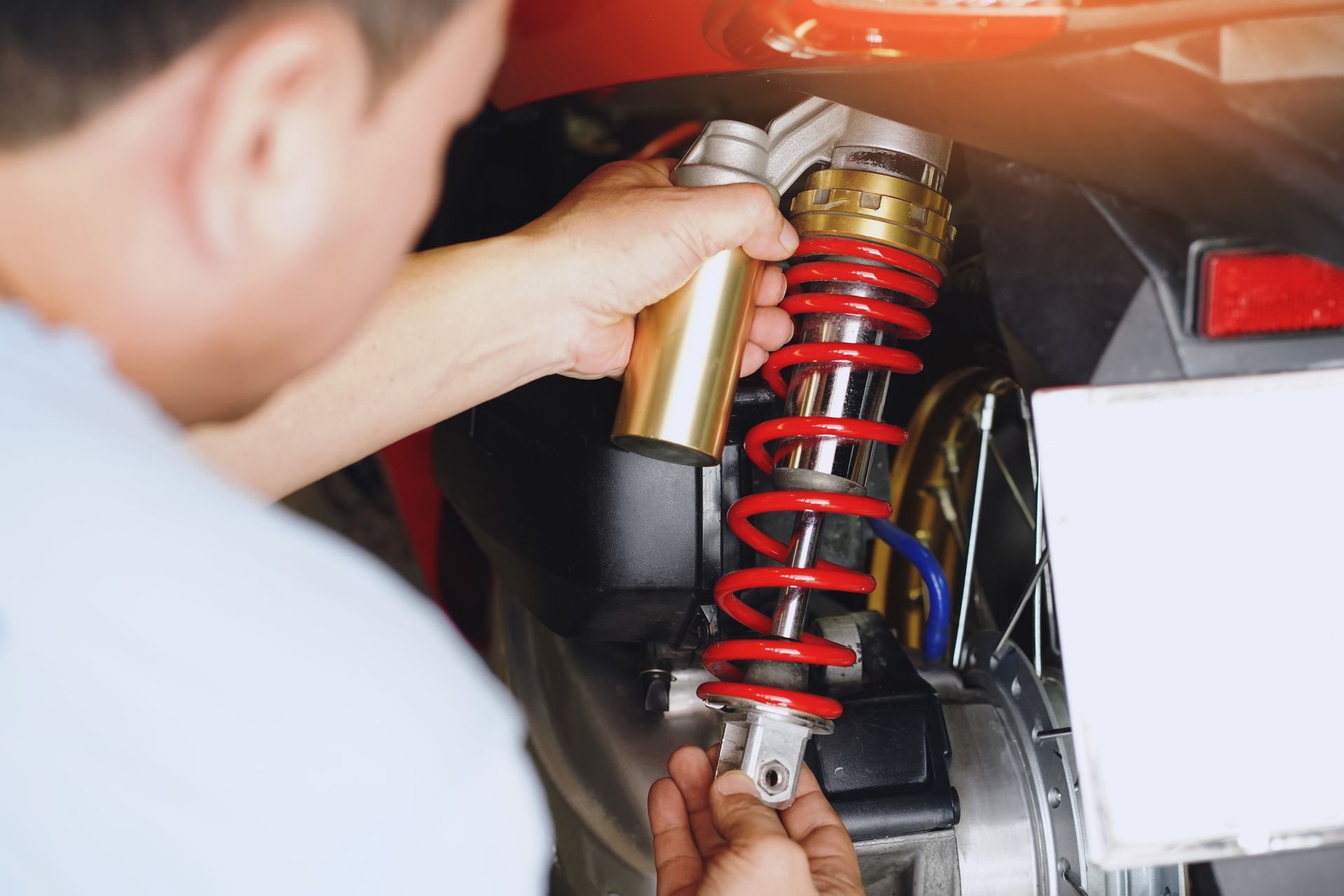
Pickup trucks are built for rougher use, but suspension parts still wear. Shocks, control arms, ball joints, tie rods, bushings, springs, and wheel bearings all deal with potholes, heavy loads, curbs, gravel roads, and job-site driving.
Worn suspension can cause clunks, loose steering, uneven tire wear, pulling, bouncing, or a rougher ride. The truck may still feel drivable, but the parts underneath may no longer be holding the wheels as firmly as they should.
Suspension wear can also make alignment difficult to maintain. If loose parts are still moving, the tires can continue to wear poorly even after an alignment. Checking the whole front end helps prevent repeat tire and steering problems.
Maintenance Helps Keep The Truck Ready
Pickup reliability is not only about the engine starting every morning. It is about the truck stopping well, shifting properly, staying cool, carrying weight safely, and keeping the tires planted.
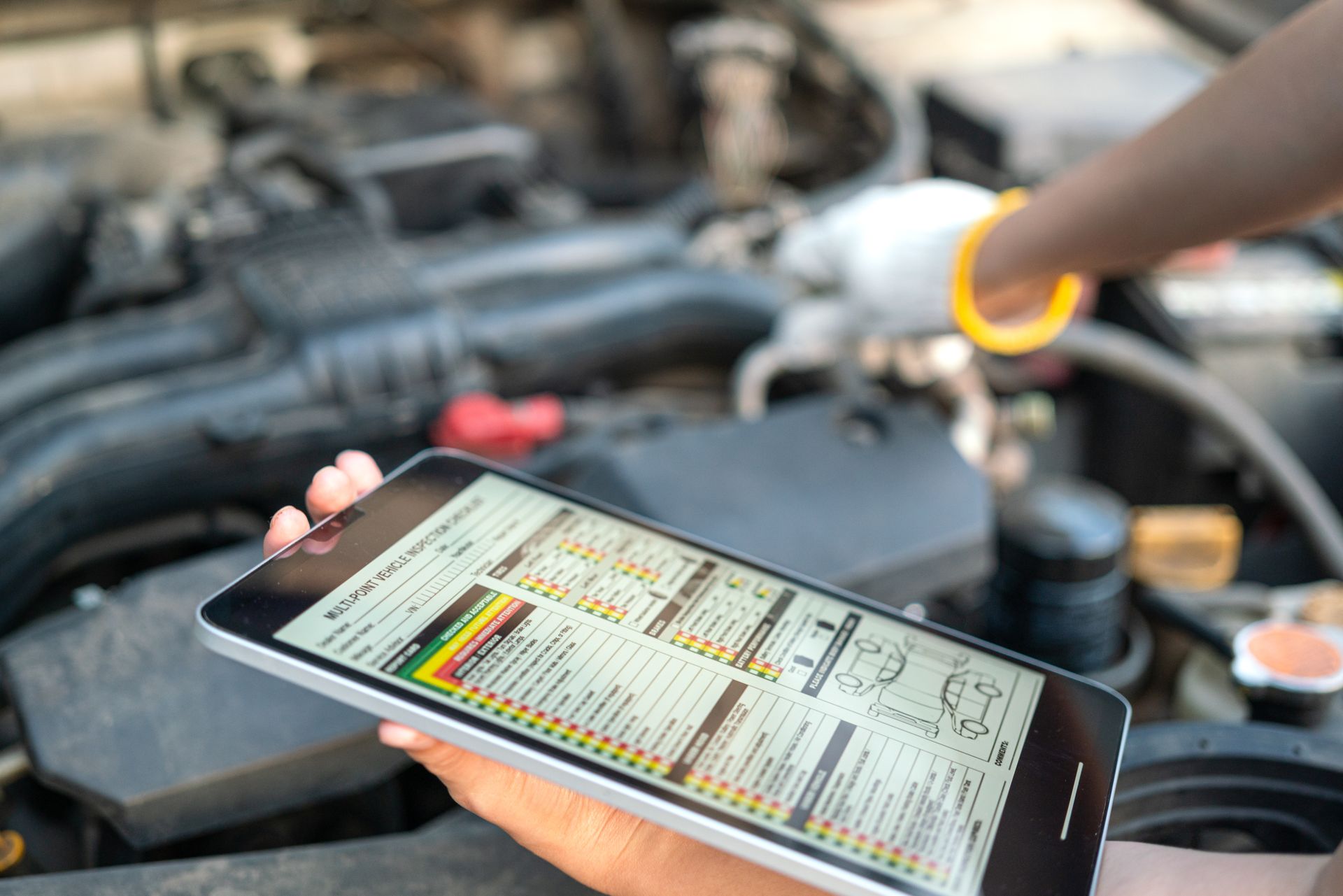
Small service items support that reliability. Oil changes, fluid checks, tire rotations, brake inspections, battery testing, belt checks, leak checks, and suspension inspections all help build a clearer picture of the truck’s condition.
If the truck is used for work, towing, or long drives, staying ahead of service is even more important. A repair that interrupts a workday costs more than the repair bill alone.
Get Pickup Truck Maintenance In Capitol Heights, MD, With Freestate Auto & Truck Service
If your pickup is due for service, towing regularly, wearing tires unevenly, leaking fluid, or starting to feel different, Freestate Auto & Truck Service in Capitol Heights, MD, can check the systems that keep your truck reliable.
Schedule a visit and keep your truck ready for work, errands, towing, and daily driving.