A lot of drivers have had the same uncomfortable moment at a repair shop. You get a call, hear a list of parts, and are expected to say yes or no without actually seeing what the technician sees.
A digital vehicle inspection, often called a DVI, is meant to change that dynamic. Instead of relying on vague descriptions, you get clear photos, notes, and measurements so you can understand your car's condition in plain language.
It puts you back in control of the decision.
What A Digital Vehicle Inspection Looks Like
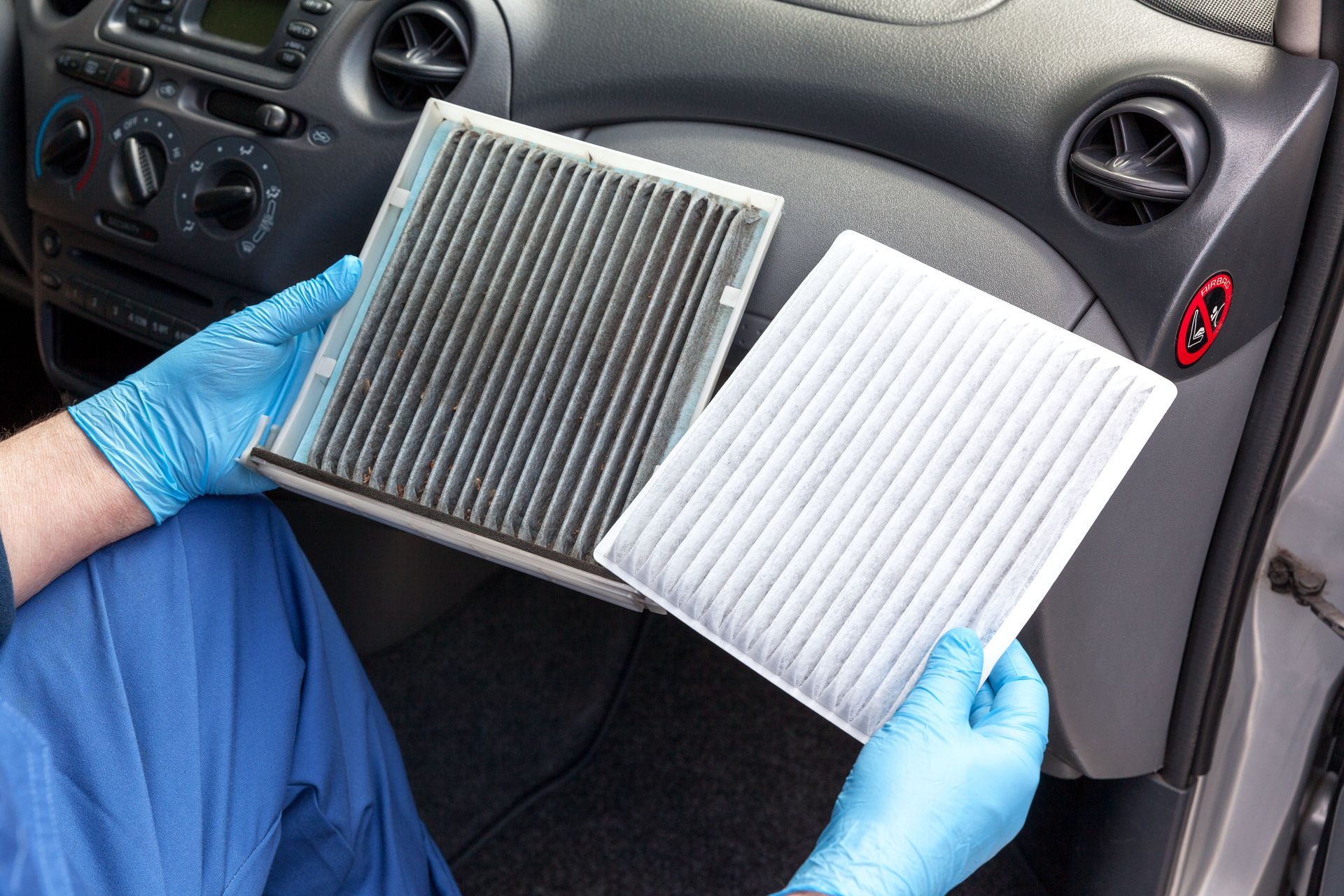
A DVI is a structured inspection that gets documented digitally, usually with photos and short notes for each item checked. Think of it like a walk-around plus an under-the-hood and undercar check, but with proof attached. If a belt is cracked, you see the cracking. If the brake pads are thin, you see the measurement and the pad condition.
The big shift is that information is shared with you in a way that is easy to review. You are not trying to remember a phone call while you are at work. You can look at the results, ask a question, and decide what you want done.
Why It Puts You In Control Of Repair Decisions
When you can see what is worn, the conversation changes. It stops being a debate about whether something is real and becomes a discussion about what it means and what to do next. That reduces the feeling that repairs are random, or that you are being rushed into a yes.
It also helps with timing. You can make choices based on your budget and your plans for the vehicle. We’ve seen DVIs help drivers feel confident approving a safety repair right away, while scheduling the less urgent stuff for a later visit.
What Usually Gets Checked During A DVI
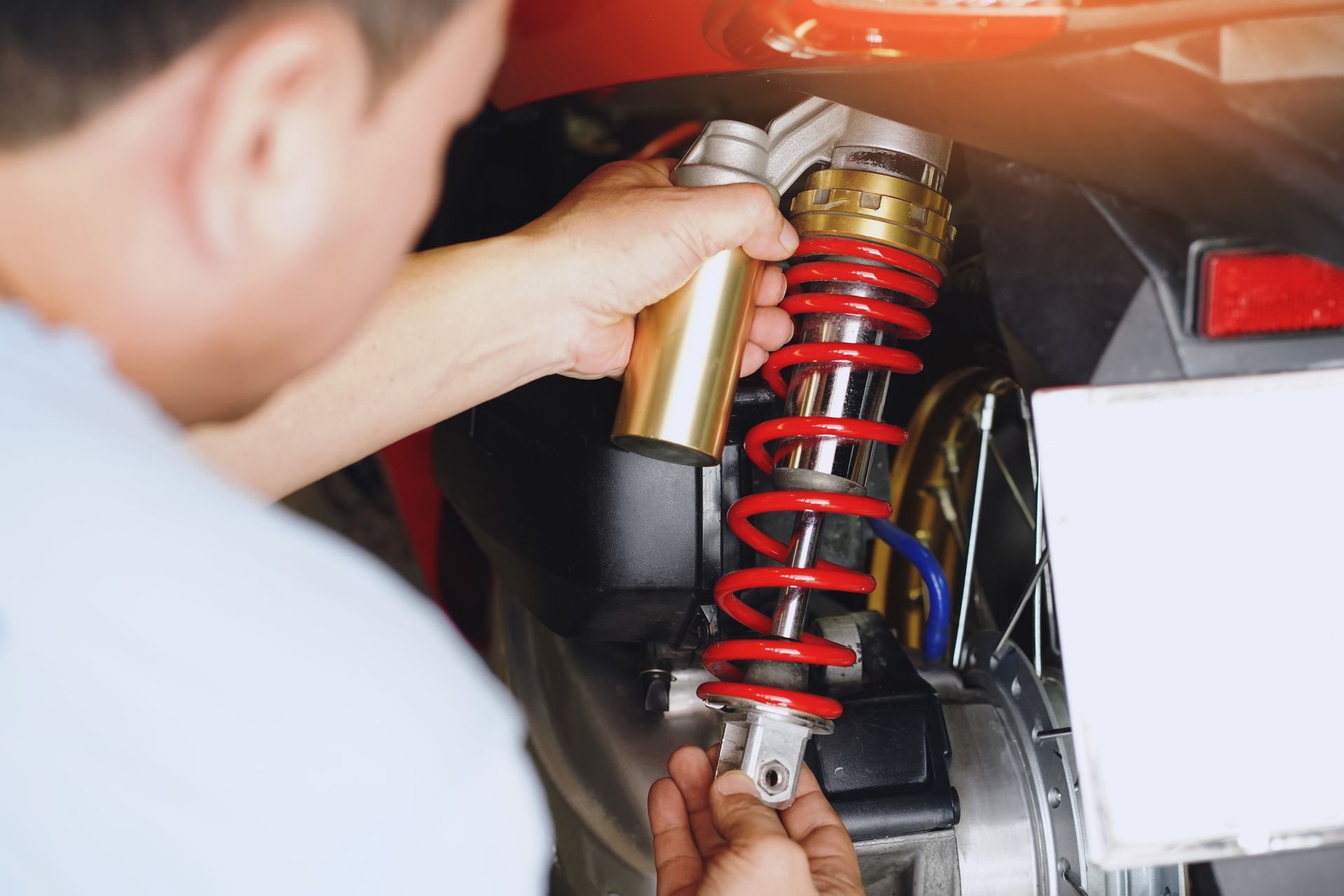
Most DVIs follow a consistent checklist so nothing gets missed. The inspection usually includes tires, brakes, steering and suspension, fluids, battery condition, lights, and visible leaks. It can also include a scan for stored codes, but the inspection itself is not just a code read.
A helpful part of the process is that it creates a baseline. If you do a DVI at regular visits, it is easier to compare what changed since the last time. A tire wear pattern that was mild six months ago might now be obvious, and that trend tells you more than a single snapshot.
How To Read A DVI Report Without Feeling Overwhelmed
The best way to read a DVI is to start with the items that affect safety and drivability. Brakes, tires, steering looseness, and obvious fluid loss usually deserve attention sooner. Then look at items that can cause damage if ignored, such as coolant or oil leaks or a failing belt.
After that, focus on the evidence. Photos and measurements tell you whether something is borderline or clearly worn out. If you are unsure, ask for clarification on what you are seeing and what the next step would prevent.
Look for measurements on brake pad thickness and tire tread depth.
- Check whether the issue is active, like a leak that is wet, or just residue from an older seep.
- Compare left and right sides, since uneven wear often points to a root cause.
- Note anything that could affect safety right now, like bald tires or damaged steering parts.
- Ask what happens if you wait, and what a reasonable time window looks like.
What To Fix Now And What Can Wait
Not every recommendation has to be handled on the same visit. A smart plan often splits work into three buckets: fix now, schedule soon, and keep an eye on it. The key is making those buckets based on risk, not based on which repair is easiest.
For example, a brake pad that is nearly worn out is usually a fix-now item because it can damage rotors and reduce stopping power. A mild seep that is not dropping the oil level might be something you schedule soon, especially if you want to avoid a bigger leak later. A worn bushing that is starting to crack may be okay to monitor briefly if it is not causing noise or uneven tire wear yet.
Common Misunderstandings About Digital Vehicle Inspections
Some people assume a DVI is just a fancy way to upsell. It can feel that way if the report is vague or if the photos do not match the recommendation. A good DVI does the opposite; it reduces pressure by making the condition visible and the choices clearer.
Another misunderstanding is thinking a DVI replaces maintenance planning. It is a tool, not a crystal ball. Parts still wear differently based on driving and the environment. The value is that you can see what is happening now, understand the trend, and make decisions without guessing.
Get Digital Vehicle Inspection in Capitol Hgts, MD with Freestate Auto & Truck Service
We can perform a digital vehicle inspection, document what we find with clear photos and notes, and walk you through what deserves attention first. We’ll answer your questions and help you prioritize repairs based on safety, reliability, and your budget.
Call or schedule your visit today.
We’re here to help you stay in control of the repairs, not stressed by them.