Skipping an oil change rarely triggers an immediate breakdown, which is exactly why it turns into a habit. Oil is doing several jobs at once, and it changes a little every time it deals with heat, moisture, and combustion byproducts. Past a certain point, the oil can still look fine on the dipstick while protection inside the engine is quietly shrinking.
The real risk is what starts stacking up over time.
Oil Stops Cushioning Moving Parts
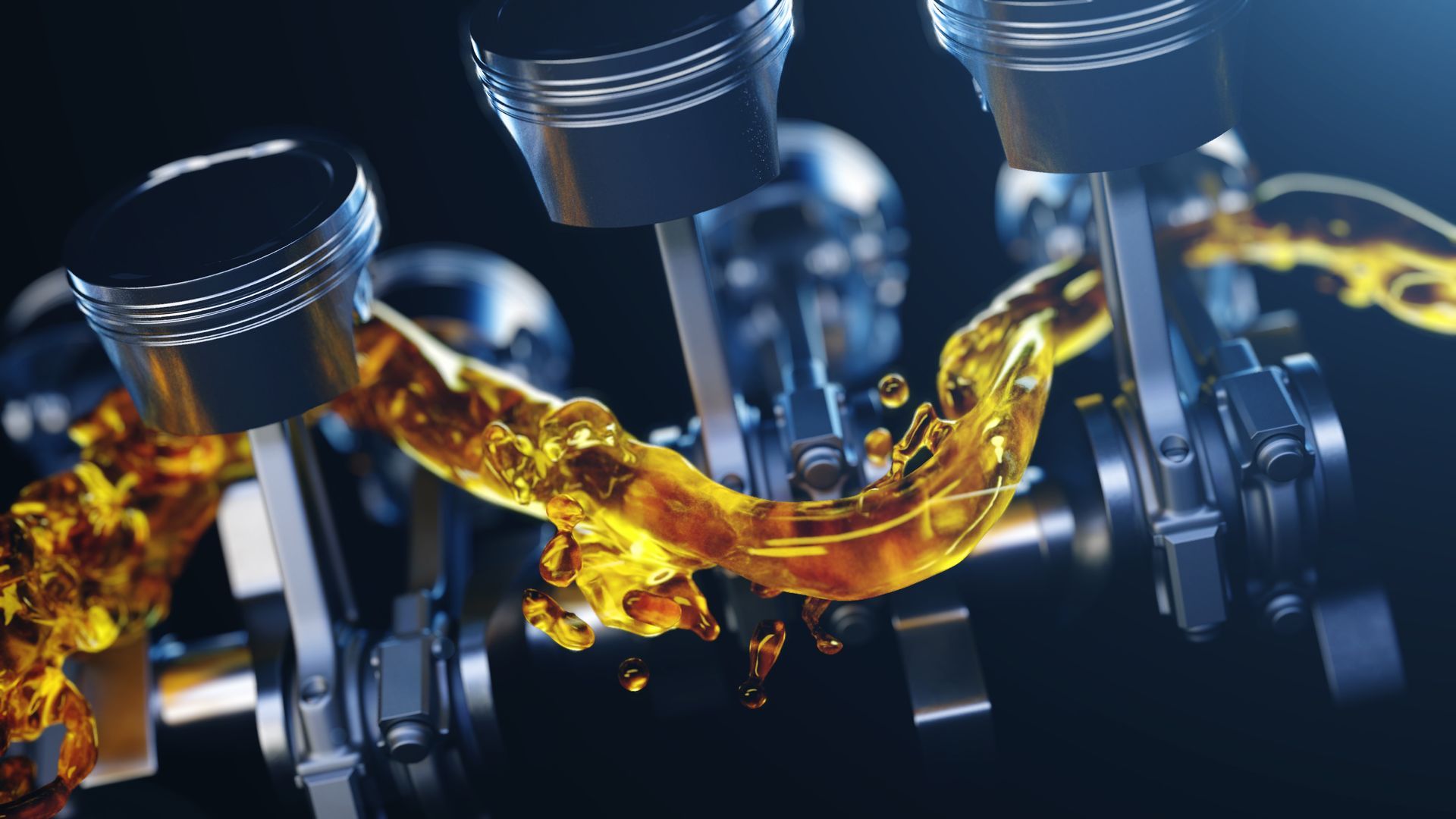
A healthy engine depends on a thin oil film to keep fast-moving parts separated. As oil ages, it can lose viscosity control and additive strength, which makes that film easier to squeeze out under load. You may not feel anything at first, but the engine is spending more time with borderline protection in high-contact areas like cam lobes, lifters, and bearings.
Contaminants Build Up Even With A Filter
The oil filter catches a lot, but it cannot trap everything, especially the smallest particles. Fuel dilution, soot, and microscopic debris circulate longer when the oil is overdue, and that can speed up wear. Think of it as turning the oil into a slightly abrasive fluid instead of a clean lubricant. Over time, that extra abrasion can show up as ticking noises, lower oil pressure, or increased oil consumption.
Sludge And Varnish Restrict Oil Flow
When oil stays in service too long, it is more likely to oxidize and thicken into deposits. Sludge is the sticky buildup that forms in valve covers, oil return passages, and oil pickup screens, and it can reduce how much oil reaches critical parts. Varnish is the thinner, baked-on residue that can make tight-tolerance components move more slowly. On modern engines, that slow movement can affect small control parts like oil-fed solenoids and actuators.
Heat Rises And Oil Breaks Down Faster
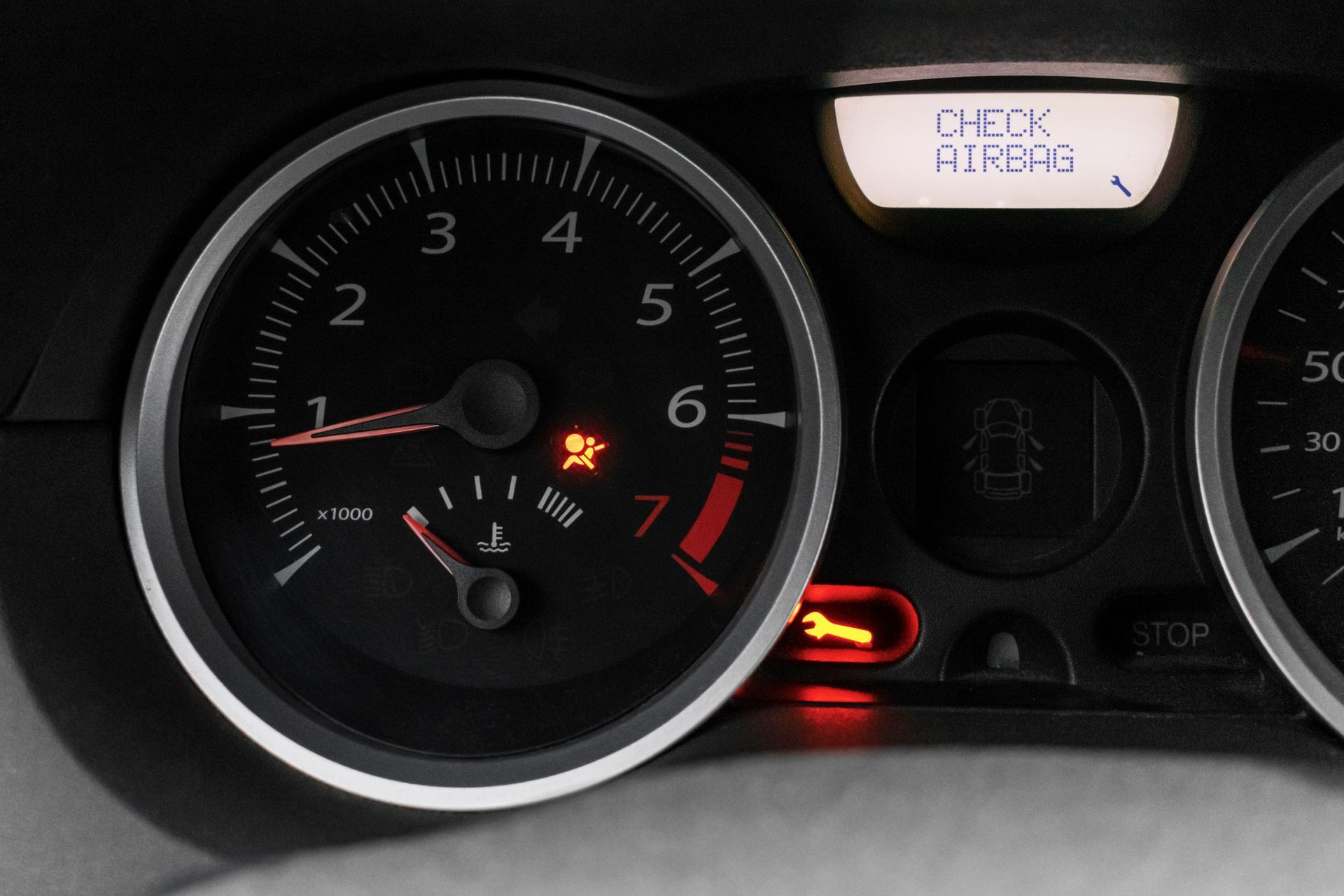
Oil helps carry heat away from bearings, piston rings, and turbocharger shafts on turbo engines. Overused oil often struggles more with heat, and it can thin out at high temperatures, which lowers the safety margin. That is why overdue oil tends to show its worst effects during highway runs, towing, long idles, or hot weather. If a warning light flickers at idle or you notice a stronger oil smell after shutdown, it may indicate the engine is running hotter than it should. Heat also bakes deposits harder, which makes the next oil change feel less forgiving.
Wear Shows Up In Chains, Bearings, And Seals
Timing chains and their tensioners rely on clean oil pressure to stay quiet and properly tensioned. Dirty oil can gum up a tensioner, and thin oil may not keep guides cushioned, which can lead to startup rattle or timing-related fault codes. Bearings are even less forgiving because once a bearing surface is scored, the gap grows, and the damage tends to snowball. Old oil can also harden seals over time, so leaks that were minor can become more obvious later.
What To Do If You Are Past Due
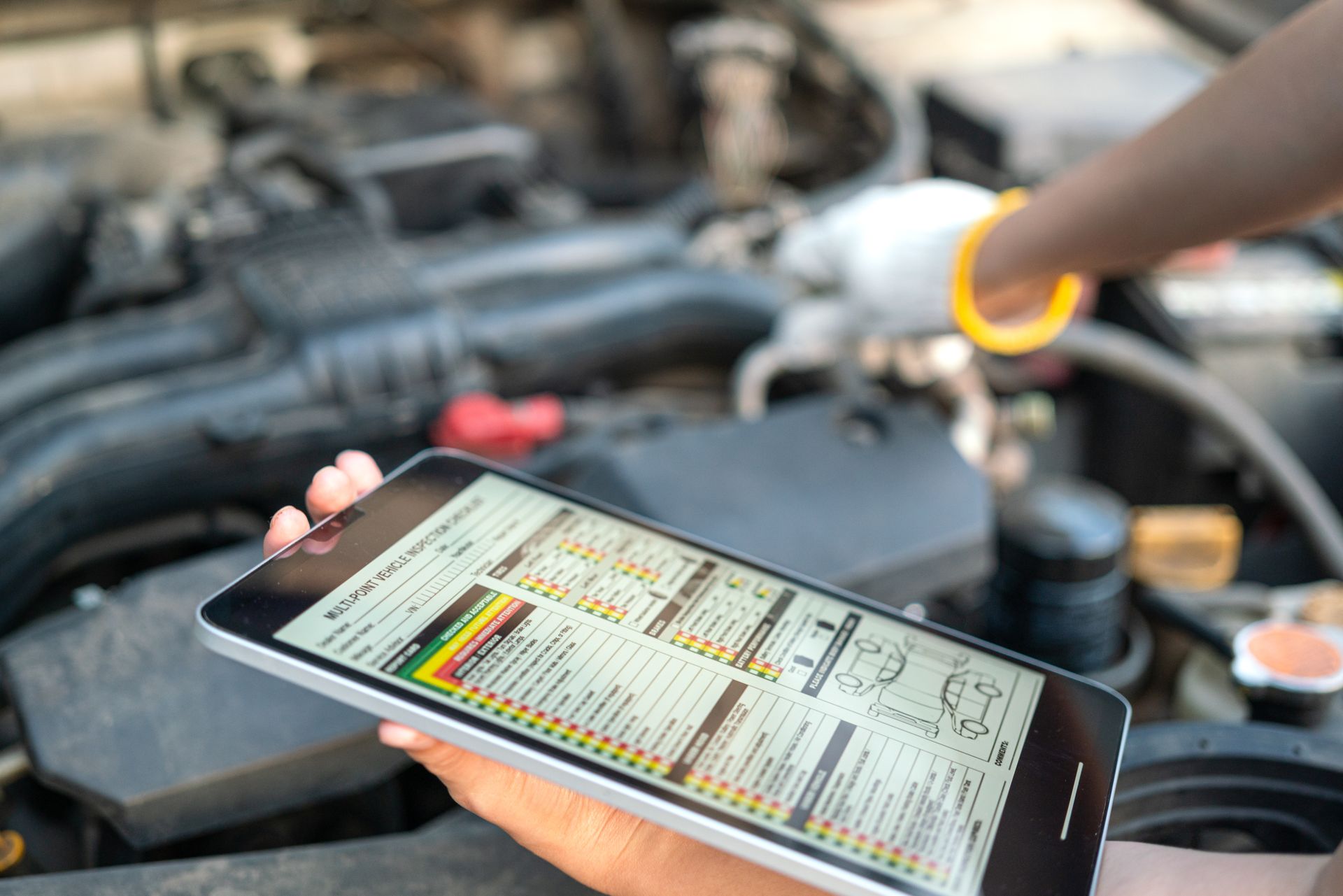
If you are over the interval, changing the oil soon is usually smarter than stretching it further and hoping for the best. An inspection at the same time can confirm the oil level, check for leaks, and catch warning signs like heavy deposits under the oil cap. If the oil comes out unusually thick or the level is low, shortening the next interval for a cycle or two can help the engine recover without forcing harsh chemicals through it. Getting back to regular maintenance is often the difference between a car that lasts and a car that slowly becomes expensive.
Get Oil Change Service In Capitol Hgts, MD, With Freestate Auto & Truck Service
If you are unsure how far past due you are, Freestate Auto & Truck Service can recommend the right oil and interval based on your vehicle, your driving, and what we see during service. You will leave with a clear plan that is realistic to follow, not a lecture or a sales pitch.
If there is another issue contributing to oil problems, like a leak or heavy consumption, we will point it out before it turns into a surprise.
Pick a time that fits your week, and let’s get you back on a schedule you can trust.