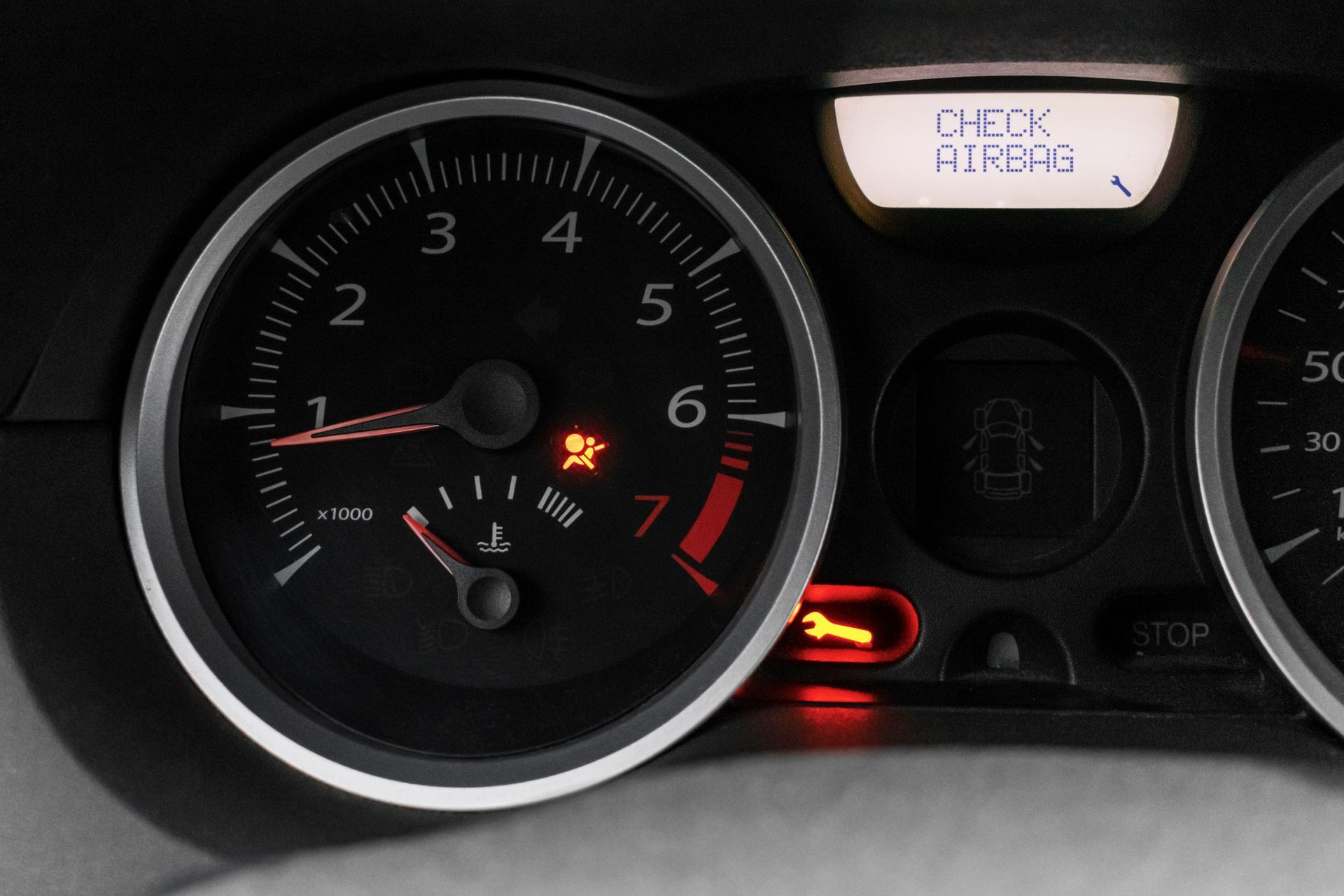
You leave room to merge, press the accelerator, and wait longer than expected for the car to gain speed. No warning light comes on, and the engine doesn't sound badly broken. On the next easy stretch, it feels nearly normal again.
Identify what has changed: whether the engine hesitates, loses pull, or revs while the car barely responds. Those differences can separate several faults that don't immediately set a warning.
1. Fuel Delivery Falls Behind Under Load
An engine needs more fuel during acceleration than it does while idling. A weakened pump, restricted supply, or electrical problem can leave it adequately supplied at a stop but short of fuel during a longer pull. The driver feels fading power rather than necessarily hearing a rough idle. Releasing the accelerator can make it seem to recover.
The fuel system needs testing under comparable demand. At our shop, we compare pressure and available delivery before blaming a pump, then check its power supply and ground. A pressure fault may not be recognized quickly enough to illuminate the dashboard. Direct-injection vehicles can also have separate supply and high-pressure problems, which you must distinguish before ordering parts.
2. The Intake Cannot Supply Enough Air
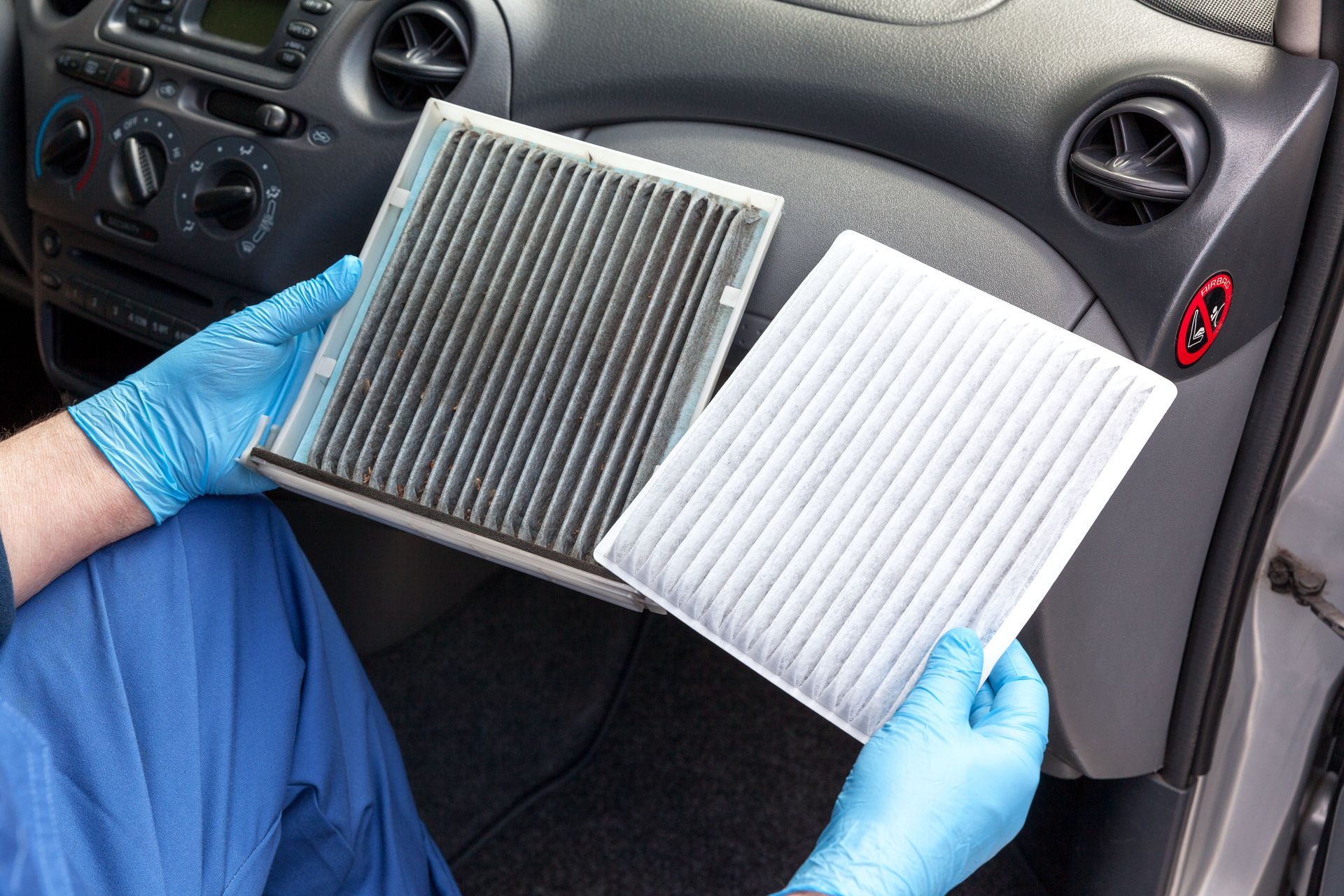
A badly restricted air filter, damaged intake duct, or collapsed hose can limit airflow when the engine asks for more. Light cruising can remain acceptable because it doesn't require the same volume of air.
On a turbocharged engine, a leaking charge-air connection can produce a hiss and reduced acceleration as boost builds. The engine-control system sometimes detects this, but not necessarily before the driver feels it. Physical checks and appropriate leak testing should match the intake design. Removing the filter and driving without it isn't a safe way to prove an airflow problem.
3. Exhaust Flow Becomes Restricted
A damaged catalytic converter or blocked section of exhaust can leave the engine struggling to push gases out at higher demand. Power feels limited during hills or extended acceleration, even though the car starts normally. The computer's catalyst monitoring evaluates emissions performance; it doesn't directly measure how freely each exhaust passage flows.
Backpressure testing helps determine whether the restriction is at the converter or elsewhere downstream. A fault code, smell, or temperature reading by itself isn't enough to identify a blockage. A severe restriction can create substantial heat. Stop if you have major power loss, a glowing exhaust component, or a strong burning smell, rather than repeatedly accelerating to test the limit.
4. A Brake Is Working Against the Engine
A car that doesn't coast as freely can feel underpowered even when the engine produces normal torque. A sticking caliper, trapped hydraulic pressure, or parking brake that fails to release creates resistance at a wheel. The complaint can grow as that brake heats up during the drive, with no engine warning required.
A hot odor, pulling, and uneven pad wear are useful supporting details. Don't touch a wheel or rotor to compare temperatures after driving. The brake assembly needs a controlled check to distinguish mechanical binding from a hydraulic release problem. Restoring engine power with a tune-up won't fix brakes that are still holding the car back.
5. The Transmission Doesn't Deliver the Expected Response
A delayed downshift, inappropriate operating mode, or internal slip can make acceleration feel weak without immediately setting an engine warning. Engine speed is useful context. A rise that doesn't translate into road speed suggests a different issue than an engine that struggles to gain speed at all, though CVT behavior requires its own interpretation.
Transmission data, fluid condition, and the circumstances of the complaint help clarify that difference. You can't assume a low fluid level from weak acceleration alone. We check the level using the required procedure and look for a leak when it is low. Engine performance must also be evaluated because a struggling engine can prompt extra downshifts that resemble gearbox trouble.
Testing Should Follow the Loss You Actually Feel
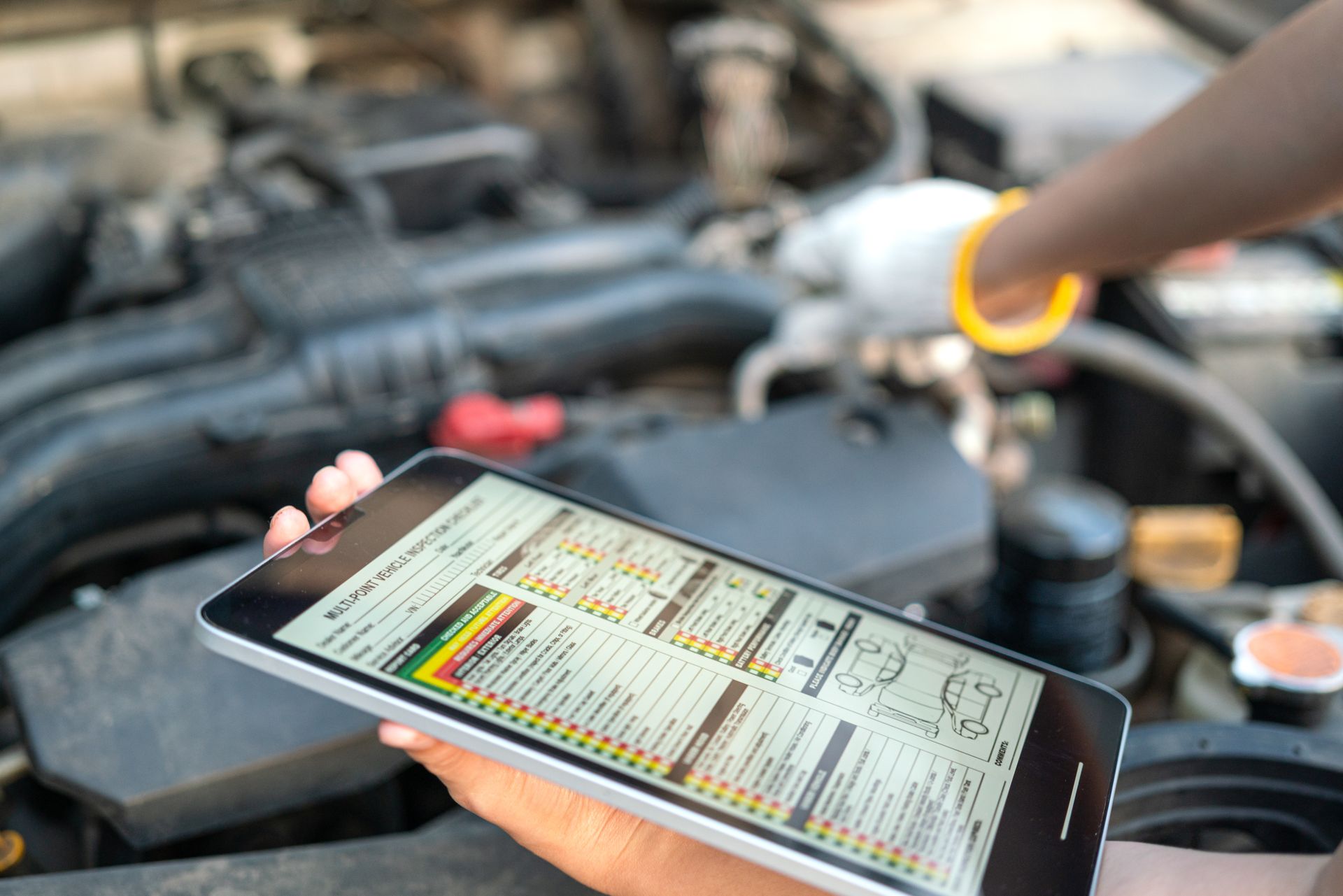
A performance inspection starts with the driving conditions: hot or cold, level road or hill, steady demand or a quick pedal movement. Record recent service and whether the problem began suddenly. Pending codes and live data can help even with a clear dashboard, but they don't replace checking mechanical resistance and supply issues.
Keep overdue service items in the regular maintenance plan, but don't expect them to explain every new symptom. The useful result is a test that links the loss of acceleration to a measured fault. If the car cannot keep pace safely, stalls, or loses braking or steering control, arrange transport instead of driving it until a warning finally appears.
Get Engine Performance Diagnostics In Capitol Hgts, MD, With Freestate Auto & Truck Service
Freestate Auto & Truck Service in Capitol Hgts, MD, can investigate weak acceleration with or without a warning light. Describe what the engine speed and vehicle speed do when power drops.
Contact us to schedule performance testing and identify what is limiting the car's response.